 |  |  |
How to Service a Hedge Trimmer: The Complete Maintenance Guide for Homeowners & Garden Pros
Servicing your hedge trimmer regularly is the key to keeping it running smoothly, extending its lifespan, and ensuring clean, precise cuts throughout the gardening season. Whether you use a battery‑powered, corded electric, or petrol‑powered model, routine maintenance prevents dull blades, reduces engine strain, and eliminates many of the issues that lead to expensive repairs. A well‑maintained trimmer not only performs better but also keeps your hedges healthier by ensuring clean cuts instead of tearing plant tissue.
This guide walks you through everything you need to know about servicing a hedge trimmer, backed by trusted maintenance sources. From daily cleaning to deep servicing procedures, you’ll find step‑by‑step instructions suitable for beginners and experienced gardeners alike.
Why Regular Hedge Trimmer Maintenance Matters
Ignoring basic maintenance often results in performance problems like snagging, overheating, and poor cutting. Dirty, dull blades snag and tear rather than slice, making hedge trimming harder on both you and the plants themselves. This can even expose shrubs to pests and disease. Regular servicing protects your investment by preventing breakdowns, avoiding gummed‑up blades and extending the tool’s overall lifespan.
Petrol‑powered models particularly benefit from routine checks, whilst battery‑powered trimmers require much less upkeep, they still need attention to keep working efficiently.
1. Begin With Safety Precautions
Before touching the hedge trimmer, make sure it is turned off. For corded or battery-powered units, disconnect the plug or remove the battery. For petrol trimmers, ensure the engine is turmed off, the spark plug HT lead is removed and it has fully cooled down.
Always wear gloves and eye protection—sharpened blades and hidden debris can pose real hazards during maintenance. This is crucial for safe maintenance.
2. Perform a Full Visual Inspection
Start by examining the tool for obvious issues:
- Blade condition: Look for sap buildup, rust, or physical damage.
- Blade guard & casing: Ensure everything is intact and that screws are tight.
- Air vents & openings: Remove debris that may obstruct airflow or cause overheating.
- Loose parts: Check nuts, bolts, and screws for vibration‑related loosening.
This step helps you catch issues early before they develop into bigger and costlier repairs.
3. Clean the Blades Thoroughly After Every Use
Blade cleaning is the foundation of good hedge trimmer maintenance.
How to clean hedge trimmer blades:
- Use a soft brush or cloth to remove leaves, branches, and plant sap.
- For stubborn resin, apply a purpose‑made resin solvent.
- Dry blades completely to prevent rust formation and use a rust prevention spray.
This simple step keeps cutting performance sharp and prevents moisture‑related corrosion.
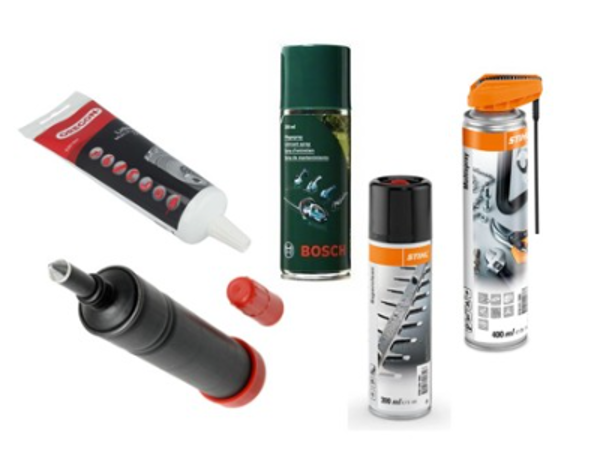
Click on this link to go to the Lubrication & Cleaners Category Section...
Click on this link to go to the Stihl Cleaning Kits Quick Reference Guide...
4. Lubricate All Moving Parts for Smooth Performance
After cleaning, lubrication is essential for reducing friction and wear.
- Apply a spray lubricant along the entire cutting bar, before, during and after use.
- Lubricate pivot points, bearings, or exposed moving joints after each 15hrs of use, or more often if being used in wet conditions.
- Add high melting point grease to the gearbox after each 15hrs of use, or more often if being used in wet conditions.
- Regular lubrication minimizes wear and extends the tool’s internal component life.
This should be done after each cleaning session or before storing the trimmer.
Click on this link to go to the Lubrication & Cleaners Category Section...
5. Sharpen the Trimmer Blades
Sharp blades decrease cutting time and reduce strain on both the tool and the user.
Sharpen if required after inspection, or annually.
How to sharpen hedge trimmer blades:
- Use a flat file, sharpening stone, or a hedge trimmer sharpening tool. Always file away from you for safety and accuracy.
- Maintain the original cutting angle for best results.
- Replace blades that show cracks, missing teeth, or heavy damage.
Professional sharpening is optional but can provide factory‑level precision for heavily used tools.
6. Petrol‑Powered Hedge Trimmers: Engine Service Checklist
Petrol hedge trimmers offer power but require more upkeep. Below are core maintenance tasks every owner must follow.
Air Filter Maintenance
- Remove the filter cover; inspect for dirt and wear.
- Tap out loose dirt or wash with mild soap if heavily soiled.
- Replace if excessively dirty, damaged, or deteriorated.
Spark Plug Care
- Remove and inspect for carbon buildup.
- Clean using a wire brush or replace yearly.
- Ensure proper gap settings as recommended by your manual.
Fuel System Checks
- Inspect fuel lines for leaks or cracks.
- Replace fuel filters during seasonal servicing.
- Use a Fuel Stabiliser, or high‑quality, ethanol‑free fuel to avoid ethanol damage.
Recoil Starter Rope
- Check for fraying; replace if worn.
- Ensure smooth winding and unwinding.
Petrol hedge trimmers reward routine maintenance with reliable performance and longer engine life.
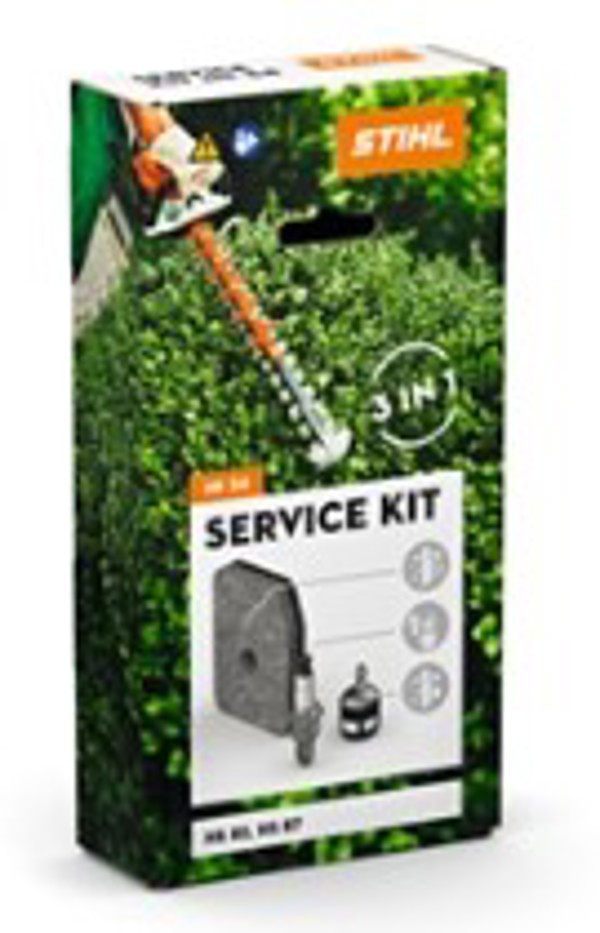
Click on this link to go to the Service Kits Quick Reference Guides...
Click on this link to go to the 2-stroke Engine Service Kits page...
7. Battery‑Powered Trimmers: Low‑Maintenance but Not No‑Maintenance
Battery models are simpler but still need proper care:
- Keep batteries charged but avoid overcharging—this dramatically reduces battery lifespan.
- Remove batteries from the tool when stored for long periods.
- Clean vents and housings to maintain good airflow.
These models are ideal for homeowners seeking ease of upkeep and professional users looking for quiter, petrol free alternatives.
8. Tighten Screws, Nuts and Bolts
Long‑term vibration from trimming can loosen components:
- Inspect all screws and bolts periodically.
- Tighten any loose parts to maintain structural stability and cutting accuracy.
Ignoring this step can lead to rattling, blade mis-alignment, or even dangerous component failures.
9. Proper Storage to Extend Lifespan
Storage plays an important role in your hedge trimmer’s longevity.
- Store in a cool, dry place, away from direct sunlight or moisture.
- Keep blades covered with protective sheaths.
- Avoid storing in damp environments that could cause rust or electrical damage.
Good storage habits prevent rust, corrosion, and weather‑related wear.
10. When to Replace Parts or Seek Professional Service
Even with great maintenance, some parts eventually wear down:
- Consider replacing blades that no longer sharpen well.
- Replace spark plugs, air filters, and worn starter ropes as needed.
- If you notice overheating, unusual noises, or reduced engine/motor power, have the tool inspected professionally.
Regular servicing dramatically reduces the frequency of major repairs.
Conclusion: Keep Your Hedge Trimmer Running Like New
By combining routine cleaning, lubrication, periodic sharpening and seasonal deep maintenance, you can ensure your hedge trimmer performs flawlessly year after year. These servicing steps prevent avoidable breakdowns, keep your hedges healthier and help you avoid unnecessary replacement costs. With only a little time and effort, maintaining your hedge trimmer becomes an easy habit—and a rewarding one.
Whether you're a casual gardener or a professional landscaper, proper hedge trimmer care ensures you’re always ready for tidy, precise trimming.