
How to Change a Pedestrian Lawnmower Blade: A Simple Step‑By‑Step Guide
Keeping your pedestrian lawnmower in top condition doesn’t just improve the quality of your cut — it also protects the engine, boosts efficiency, and keeps your garden looking sharp all year round. One of the most essential maintenance tasks is changing the mower blade. Whether your current blade is dull, bent, or damaged, replacing it is quick, cost‑effective, and something you can easily do at home.
In this guide, you’ll learn how to safely and correctly change a pedestrian lawnmower blade, the tools you’ll need, and tips to keep your mower performing at its best.
** IMPORTANT INFORMATION
Why Changing a Lawnmower Blade Matters
A worn or damaged blade can cause:
- Ragged, unhealthy grass
- Excessive strain on the mower’s engine
- Uneven cutting
- Higher fuel or battery usage
- Risk of flying debris due to blade imbalance
A fresh blade gives a cleaner cut, healthier lawn, and smoother operation.
What You’ll Need
Before you begin, gather the following:
- Replacement mower blade (model‑specific)
- Socket wrench or spanner
- Work gloves
- Wooden block or clamp
- Safety goggles
- Penetrating oil (optional)
- Torque wrench (recommended for re‑tightening)
*Safety First*
Working with blades requires caution. Before you touch anything:
-
Disconnect the spark plug (for petrol mowers)
This prevents accidental startup. -
Remove the battery (for cordless mowers)
Or unplug if it’s electric. -
Wear gloves
Lawn mower blades are sharp — even the dull ones.
Taking these simple steps ensures you can work safely and confidently.
How to Change a Pedestrian Lawnmower Blade
Step 1: Turn the Mower on Its Side
Tilt the mower so the carburettor and air filter face upwards (for petrol models).
This prevents petrol or oil leaking into the engine.
Tip:
Place the mower on a soft surface or use blocks to avoid scratching the deck.
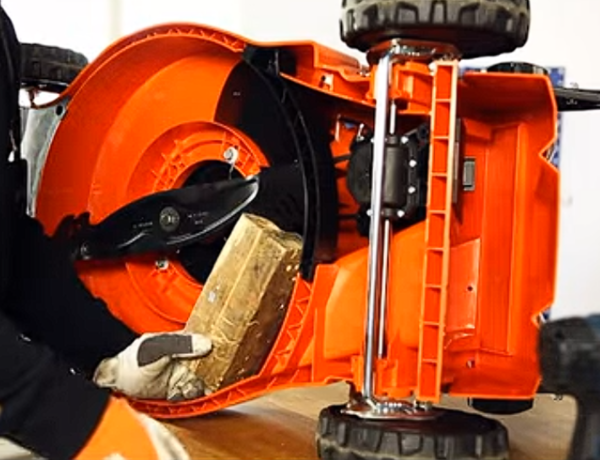
Step 2: Secure the Blade
Use a wooden block or sturdy clamp to stop the blade rotating.
This makes loosening the bolt easier and reduces the risk of injury.
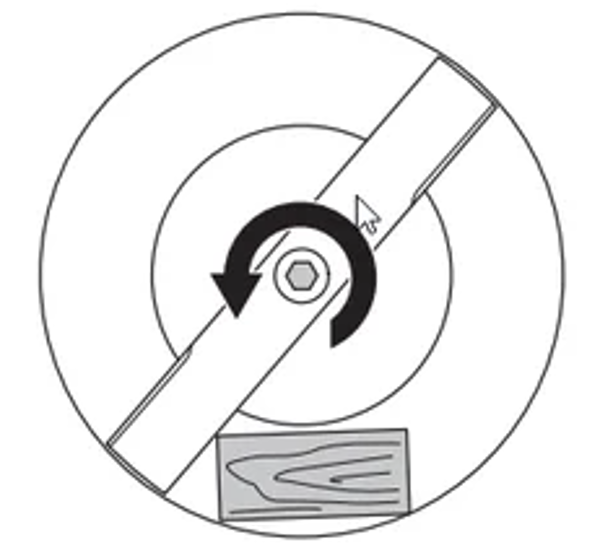
Step 3: Loosen the Blade Bolt
Using your socket wrench:
- Turn the blade bolt anti‑clockwise to loosen.
- Apply penetrating oil if the bolt is stubborn.
- Remove the bolt, washers, and old blade.
Make a note of the blade orientation — the new one must match it.
Step 4: Fit the New Blade
Place the new blade onto the spindle, ensuring:
- The cutting edge faces the correct direction
- The blade curves upwards towards the mower deck
- Washers or spacers are re‑installed in the correct order
Step 5: Tighten the Bolt
Use your socket wrench to hand‑tighten the bolt, then:
- Use a torque wrench to tighten it to the *manufacturer’s recommended torque setting* (usually around 35–50 ft‑lb or 45-70 Nm, but varies by model)
*A properly torqued blade prevents vibration and ensures safe operation.*
Step 6: Reconnect Power & Test
After tightening:
- Reconnect the spark plug or battery
- Set the mower upright
- Give it a quick test run
Check for:
- Smooth, vibration‑free operation
- Even cutting pattern
- No unusual noises
If everything feels smooth, you’re good to go.
How Often Should You Change a Lawnmower Blade?
For typical domestic use:
- Replace every 12 months, or
- Sharpen every 20–25 hours of mowing *(must be properly balanced to avoid vibration)*
Replace sooner if the blade is:
- Bent
- Cracked
- Chipped
- Excessively worn
A damaged blade should never be sharpened.
Common Mistakes to Avoid
❌ Installing the blade upside-down
❌ Not disconnecting the spark plug
❌ Overtightening or under‑tightening the bolt
❌ Using a blade that doesn’t match your mower model
❌ Ignoring vibrations after installation
These mistakes can reduce performance or lead to safety hazards.
Final Thoughts
Changing a pedestrian lawnmower blade is a simple job that can make a big difference to your mower’s performance and the health of your lawn. With the right tools and a bit of care, most people can complete the job in under 10 minutes.
Click here to go to the Parts Diagram pages to find the correct Blade for your lawnmower...